

Can You Sell a House During Probate in Florida? Costs, Timeline & Your Options
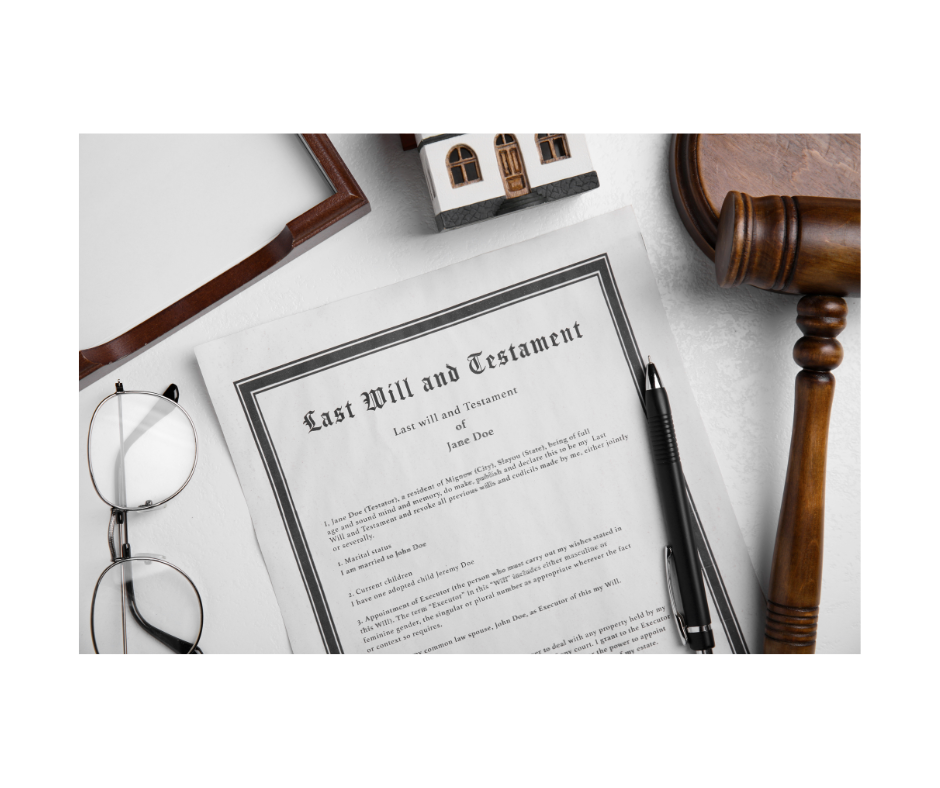
If you’ve inherited a house in Florida or you’re responsible for settling a loved one’s estate, you may be wondering whether you can sell the property before probate is finished.
In many cases, a house can be sold during probate, but the timing depends on the estate, who has legal authority to sell, and whether the property qualifies as protected homestead. You don’t necessarily have to wait until probate is over to start exploring your options.
This guide explains how Florida probate works, what it may cost, how long it can take, and what to consider before selling an inherited home.
What Is Probate?
Probate is the court-supervised process for gathering a person’s assets after they die, paying their final bills and debts, and passing what is left to the people entitled to it. In Florida it runs through the circuit court in the county where the person lived, under Chapters 731 through 735 of the Florida Statutes.
The court appoints a personal representative, which is Florida’s term for an executor. That person finds and protects the assets, notifies creditors, pays valid claims and expenses, and eventually distributes the property and closes the estate.
Not everything goes through probate. Accounts with a named beneficiary or a payable-on-death designation, life insurance, property owned jointly with right of survivorship, property held by spouses as tenants by the entirety, and assets in a living trust usually pass outside of it. A house titled only in the deceased person’s name often does need probate, or at least a court proceeding, before it can be sold. If there is still time to plan ahead, see our guide on how to avoid probate court in Florida, and if there was no will, see how an estate is settled without one.
Summary vs. Formal Administration in Florida
Florida has two main types of probate. Summary administration is the simpler track. As of July 1, 2026, an estate can qualify when the value of the estate subject to administration in Florida, minus property that is exempt from creditors’ claims, does not exceed $150,000, or when the person passed away more than two years ago (Fla. Stat. § 735.201). The limit was $75,000 before the 2026 change (CS/HB 1337, ch. 2026-57). The will also cannot require formal administration.
Everything else goes through formal administration. The court appoints a personal representative and issues Letters of Administration, a Notice to Creditors is published in a local newspaper, and creditors generally have three months from the first publication to file their claims (Fla. Stat. § 733.702).
Homestead property has its own rules. A Florida homestead is generally protected from the deceased person’s unsecured creditors and usually does not count toward the summary administration limit. But if there is a surviving spouse or a minor child, Florida law limits who can inherit it, and title companies often want a court order determining homestead status before they will insure a sale. Whether the house qualifies as protected homestead, and who has the right to sell it, should be confirmed by the probate attorney and the title company before anyone signs a contract.
How Long Does Probate Take in Florida?
Summary administration is often the faster route because no personal representative is appointed and the court can order the assets distributed without waiting out a set claims period. Creditors still matter, though. Before the order is entered, the person filing must make a diligent search for known or reasonably ascertainable creditors, serve them with the petition, and provide for paying them to the extent assets are available (Fla. Stat. § 735.206). The people who receive property can remain personally liable for valid claims, up to the value they received, for as long as two years after the death. Publishing an optional notice to creditors can cut off claims from unknown creditors after three months (Fla. Stat. § 735.2063).
Formal administration has to stay open at least through the creditor period, and The Florida Bar says a simple probate estate usually takes about five or six months. Selling real estate, disagreements between heirs, a contested will, or tax filings can stretch it to a year or more.
What Does Probate Cost in Florida?
There is no single price. Costs depend on the size of the estate, the type of administration, and how much work the estate needs. The main categories are:
- Court filing fee: about $400 to open a formal administration and $345 for summary administration ($235 if the estate is under $1,000). Amounts vary slightly by county clerk.
- Attorney fees: Florida has no mandatory statutory attorney fee for probate. For ordinary services in a formal administration, a fee based on this schedule is presumed reasonable: $1,500 for estates up to $40,000, $2,250 up to $70,000, $3,000 up to $100,000, then 3% of the value between $100,000 and $1 million (Fla. Stat. § 733.6171). An attorney who intends to use the schedule must tell the personal representative in writing that the fee is not mandatory and is open to negotiation, and the parties can agree to a different arrangement, such as a flat or hourly fee.
- Personal representative fee: in a formal administration, a commission of 3% of the first $1 million is presumed reasonable (Fla. Stat. § 733.617). A personal representative can give up all or part of it, and family members often do.
- Notice to Creditors: the newspaper publication usually runs a few hundred dollars, depending on the county.
- Other costs as needed: certified copies, appraisals, a bond if the court requires one, and additional fees for extraordinary services such as selling real estate, homestead proceedings, or litigation.
Both schedules start from the estate’s “compensable value,” which the statutes define as the inventory value of the probate assets plus income the estate earns during administration. That does not mean property outside probate never affects the bill. Florida lists work such as homestead determinations, services related to protected homestead, and the sale of real property as extraordinary services that can be charged on top of the ordinary fee, and a court reviewing fees can consider probate, nonprobate, and exempt assets. Ask the attorney for a written fee agreement that spells out what is included.
Carrying Costs While the Estate Is Open
A house still has expenses while probate moves forward: property taxes, insurance, utilities, lawn care, HOA dues, and basic security if no one lives there. Who pays them depends on the situation. The estate may cover them when the house is a probate asset and there are estate funds available. In other cases, such as protected homestead that passes directly to heirs, the heirs or a surviving spouse often carry those costs themselves. Vacant homes can also draw code enforcement notices and insurance issues, so it helps to have a plan for the property early.
Who Has the Authority to Sell the House?
Not every personal representative can automatically sell estate real estate. Authority depends on a few things:
- Whether the house is part of the probate estate. Protected homestead, jointly owned property, and property in a trust can pass outside probate administration, which changes who signs.
- Whether a personal representative has been appointed. Until the court issues Letters of Administration, no one has authority to sell a probate asset on the estate’s behalf.
- What the will says. If the will gives the personal representative a power of sale, the house can generally be sold without a separate court order. If there is no will, or the will gives no power of sale, the court must authorize or confirm the sale before title passes (Fla. Stat. § 733.613).
The probate attorney and the title company confirm which of these applies before closing. Once authority is in place, the family’s options usually come down to three: wait for probate to close and list the house, list it with an agent during probate if it is in good shape and there is time for showings and a buyer’s financing, or sell it as-is for cash when the house needs work, is full of belongings, or the heirs live out of state. If listing will put more money in the family’s pocket, we will tell you that.
Do You Have to Wait Until Probate Ends to Sell the House?
Not always. Depending on the estate and the legal authority to sell, you may be able to explore offers and prepare for a sale while probate is underway.
Particular Properties can evaluate the house in its current condition and coordinate the proposed closing timeline with your probate attorney. You don’t need to know every answer about probate before contacting us.
Call 407-258-6897 to discuss your situation.
How Particular Properties Works With Probate Houses
Particular Properties is a Cash Home Buyer. We work directly with personal representatives and heirs, and alongside the estate’s probate attorney, so any sale fits the estate’s timeline and the court’s requirements. Depending on the property, we either buy it ourselves or work with one of our investor partners.
We walk the property before making a written offer. You pay no fees, we pay the normal closing costs, and closings run through a title company or closing attorney. A closing can happen in as little as 7 days once the estate has authority to sell, but the date is set around the estate, not the other way around.
Probate Home Sale FAQs
Can I sell an inherited house before probate is complete?
Often, yes, but someone must have legal authority first. If the house is a probate asset, that usually means a court-appointed personal representative. With a power of sale in the will, the personal representative can generally sell without a separate court order. Without one, the court must authorize or confirm the sale (Fla. Stat. § 733.613). Protected homestead usually passes to the heirs outside probate administration, which changes the process. Your probate attorney can confirm which applies.
Can I request a cash offer before a personal representative is appointed?
Yes. The family can ask for an offer and look at the numbers before anyone is appointed, which can help when deciding whether to sell at all. The actual contract and closing, however, must be signed by whoever has legal authority at that point. For a probate asset, that usually means a personal representative with Letters of Administration, plus a court order if the will gives no power of sale. For protected homestead or a summary administration, it is usually the heirs or beneficiaries entitled to the property. Your probate attorney can confirm who can sign and when.
What if the heirs disagree about selling?
It depends on who holds title. A personal representative acting under a power of sale may not need every beneficiary’s signature, but beneficiaries can raise objections with the court. If the house passed directly to several heirs as co-owners, which is common with homestead, all owners generally have to sign, and a co-owner may ask a court to partition the property under Chapter 64 of the Florida Statutes. Disputes like these belong with the estate’s attorney.
Can I sell the house if I live in another state?
Usually, yes. Many title companies offer mail-away closings or remote online notarization, so out-of-state heirs may not need to travel. Serving as personal representative is different: a person who does not live in Florida can serve only if they are a close relative of the person who died, such as a child, parent, grandchild, spouse, sibling, aunt, uncle, niece, or nephew, or the spouse of a qualifying relative (Fla. Stat. § 733.304).
Do I have to clean out the house before selling?
Not for an as-is sale. Keep in mind that the contents generally belong to the estate or the heirs, so the personal representative or heirs should remove important documents, valuables, and anything family members want to keep, and agree on the rest, before the remaining items are left with the house.
What if the inherited house has a mortgage or liens?
The debt does not go away when the owner dies. A mortgage, unpaid property taxes, or a recorded lien generally stays with the house and is paid from the sale proceeds at closing, with the title company handling the payoffs. Federal law generally prevents a lender from calling a home loan due just because the house passed to a relative after the borrower’s death (12 U.S.C. § 1701j-3(d)), but payments still need to be kept current to avoid default.
Who signs the contract when a house is in probate?
It depends on how title passes. If the house is a probate asset, the personal representative usually signs in that capacity after receiving Letters of Administration, and a court order may be needed before closing. In a summary administration, no personal representative is appointed, so the beneficiaries named in the court’s order typically sign. If the house is protected homestead that passed to heirs, the heirs sign. The title company will confirm exactly who needs to sign before closing.
Need to Sell a House in Probate in Central Florida?
Whether probate has just started, you’re waiting for court documents, or you’ve already been appointed personal representative, Particular Properties can help you explore an as-is sale.
We buy inherited homes throughout Central Florida, including Orange, Seminole, Brevard, Citrus, and Volusia counties. You don’t have to make repairs, empty the house, or live nearby to request an offer.
Call 407-258-6897 or request a no-obligation cash offer with the form below. We’ll discuss the property and your timeline. Your probate attorney can confirm when and how the sale may legally proceed.
Particular Properties is a local Central Florida real estate investor run by Jessica Middleton, who was born and raised in the Pine Castle and Belle Isle area. We work alongside local probate attorneys and title companies, and every closing runs through a title company or closing attorney.
About The Author
Jessica is a licensed Real Estate Broker in the state of Florida. She has been buying and selling real estate since 2006. With almost 20 years of real estate experience she is an investor at heart, specializing in helping homeowners that have distressed properties such as: Tax delinquent, foreclosure, creative financing, probate, inheritance, hoarding houses, liens, and more. All publications are opinion based formed by experience. If you are seeking tax or legal advice it is recommended that you contact a licensed CPA and/or Attorney for your specific needs. If you’d like to learn more about how Particular Properties can help you please click button below!
Sources
- The Florida Bar, Consumer Pamphlet: Probate in Florida
- The Florida Senate, CS/HB 1337 (2026) Estates, Bill Summary
- Fla. Stat. § 735.201 (2026), Summary Administration
- Fla. Stat. § 735.206 (2026), Summary Administration Distribution
- Fla. Stat. § 735.2063 (2026), Notice to Creditors
- Fla. Stat. § 733.702 (2026), Limitations on Presentation of Claims
- Fla. Stat. § 733.6171 (2026), Compensation of Attorney for the Personal Representative
- Fla. Stat. § 733.617 (2026), Compensation of Personal Representative
- Fla. Stat. § 733.613 (2026), Personal Representative’s Right to Sell Real Property
- Fla. Stat. § 733.304 (2026), Nonresidents
- Florida Statutes Chapter 64 (2026), Partition of Property
- 12 U.S.C. § 1701j-3, Preemption of Due-on-Sale Prohibitions
- St. Johns County Clerk of Court, Probate Filing Fees
Legal Disclaimer
Particular Properties is a real estate investment company, not a law firm. We are not attorneys and do not provide legal advice or legal representation.
The information on this page is provided for general educational and informational purposes only and should not be considered legal advice. Florida probate laws, procedures, timelines, and costs may change, and every estate is different.
All legal information should be independently confirmed and verified with a licensed Florida attorney before making decisions or taking action regarding probate, inheritance, or the sale of estate property.